
healthy gym
ผู้เยี่ยมชม
benducket3211@gmail.com
Can Tack Welding in Metal Fabrication Improve Strength, Precision, and Overall Weld Quality? (109 อ่าน)
25 ก.ค. 2569 21:46
Tack welding in metal fabrication is one of the most important processes used to achieve precise alignment, strong joints, and efficient production. Before permanent welds are applied, small temporary welds are placed along the joint to hold metal components securely in position. These tack welds prevent movement during welding, maintain accurate dimensions, and reduce the risk of distortion caused by intense heat.
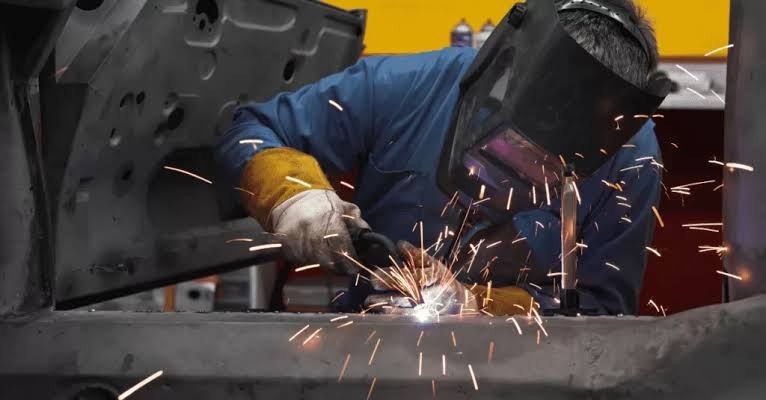
Whether fabricating structural steel, automotive components, stainless steel products, aluminum parts, or custom metal assemblies, tack welding provides a reliable foundation for the final weld. Professional welders understand that even a slight movement during fabrication can lead to poor joint alignment, reduced weld strength, and costly repairs. For this reason, tack welding in metal fabrication has become a standard practice across manufacturing plants, fabrication workshops, construction sites, and industrial production facilities.
Modern welding projects require high levels of precision, especially when producing equipment that must meet strict engineering specifications. Proper tack welding ensures that every component remains exactly where it belongs throughout the welding process. By improving fit-up and minimizing errors, this technique increases productivity while helping manufacturers deliver stronger and more consistent finished products.
Tack Welding in Metal Fabrication for Stronger Welds
Successful tack welding in metal fabrication begins long before the welding arc is started. Proper preparation of the metal surfaces is essential for producing reliable temporary welds. Rust, grease, paint, oil, moisture, and oxidation should be removed because contaminants reduce weld quality and interfere with proper fusion. Clean materials allow tack welds to achieve better penetration while creating a stronger foundation for the final weld.
Accurate joint fit-up is equally important. Metal components should be positioned correctly before tack welds are applied so that the finished assembly remains aligned throughout fabrication. Welding clamps, magnetic holders, and positioning fixtures are commonly used to secure workpieces while temporary welds are placed. Once the components are held firmly in place, the welder can verify measurements and make adjustments before permanent welding begins.
Heat control plays a significant role in tack welding in metal fabrication. Excessive heat may cause thin materials to warp, while insufficient heat can produce weak tack welds that fail during final welding. Maintaining the correct welding current, travel speed, and electrode angle allows welders to create consistent tack welds that hold components securely without introducing unnecessary stress.
Different welding methods are commonly used for tack welding depending on the application. MIG welding is popular because it provides fast and efficient tack welds suitable for production environments. TIG welding offers greater precision and is widely used for stainless steel, aluminum, and decorative fabrication where appearance and accuracy are priorities. Stick welding remains an effective choice for structural steel fabrication and outdoor construction projects where durability and reliability are essential.
Proper spacing between tack welds also contributes to successful fabrication. Evenly distributed tack welds help balance heat across the joint while reducing the possibility of distortion. This careful approach improves dimensional accuracy and supports the strength of the completed weld.
Tack Welding in Metal Fabrication Across Industries
The value of tack welding in metal fabrication can be seen across a wide range of industries. Structural steel fabrication depends on tack welding to assemble beams, columns, trusses, and heavy steel frameworks before permanent welds secure the structure. Accurate tack weld placement allows engineers and fabricators to verify alignment and maintain compliance with design specifications.
Automotive manufacturing is another industry where tack welding is essential. Vehicle frames, body panels, suspension systems, exhaust components, and structural reinforcements require precise positioning before continuous welding begins. Temporary tack welds ensure that every component remains correctly aligned, contributing to vehicle safety, structural integrity, and manufacturing efficiency.
Pipe welding also relies heavily on tack welding in metal fabrication. Industrial pipelines, pressure vessels, and process piping systems require precise alignment to achieve proper root penetration and leak-free welds. Tack welds maintain consistent root gaps while holding pipe sections securely throughout the welding process. This improves weld quality and helps meet strict industry standards.
Sheet metal fabrication benefits significantly from tack welding because thinner materials are especially vulnerable to heat distortion. Carefully placed tack welds preserve the original shape of HVAC ductwork, metal cabinets, electrical enclosures, appliances, and architectural components while reducing the effects of thermal expansion during welding.
Heavy equipment manufacturing, agricultural machinery production, shipbuilding, aerospace engineering, and custom fabrication workshops all rely on tack welding to improve assembly accuracy and production efficiency. Advances in inverter welding technology have further enhanced the process by providing stable arc performance, consistent heat control, and improved welding precision across different fabrication applications.
Tack Welding in Metal Fabrication for Long-Term Quality
Achieving excellent results with tack welding in metal fabrication requires careful planning and consistent technique. Material thickness should always be considered when determining tack weld size and spacing. Thin sheet metal requires smaller tack welds with controlled heat input to prevent distortion, while thicker steel sections need stronger tack welds to stabilize heavy components during fabrication.
The welding sequence also influences the quality of the finished product. Experienced welders often alternate tack weld locations across opposite sides of the joint to balance heat distribution and reduce internal stress. This technique helps minimize warping while maintaining accurate alignment throughout the welding process. It is especially effective when welding stainless steel and aluminum because these materials expand more rapidly under heat.
Inspection is another critical step in professional fabrication. Every tack weld should be examined before final welding begins. Any signs of cracks, porosity, incomplete fusion, or weak penetration should be corrected immediately to prevent structural defects in the completed assembly. Careful inspection reduces rework while improving the durability and reliability of the finished weld.
Continuous practice and skill development further improve tack welding performance. As welders gain experience, they develop better control over arc length, travel speed, electrode angle, and heat input. These improvements result in cleaner tack welds, stronger joints, and higher-quality fabrication across a variety of welding projects.
Modern fabrication facilities increasingly combine skilled craftsmanship with advanced welding equipment to achieve exceptional consistency. Digital welding controls, inverter power sources, and precision fixtures help maintain repeatable welding parameters, allowing manufacturers to produce accurate assemblies while reducing production time and material waste.
Conclusion
Tack welding in metal fabrication is an essential process that supports accurate assembly, stronger welds, and improved production efficiency across numerous industries. By temporarily securing metal components before permanent welding, tack welds maintain alignment, reduce distortion, and create a stable foundation for high-quality finished joints. Whether used in structural steel fabrication, automotive manufacturing, pipeline construction, sheet metal production, heavy equipment manufacturing, or custom metalworking, tack welding remains one of the most valuable techniques in modern welding.
Through proper material preparation, accurate fit-up, controlled heat input, balanced tack weld placement, and careful inspection, welders can maximize the benefits of tack welding in metal fabrication while minimizing defects and costly repairs. Mastering this essential welding process leads to stronger structures, greater precision, improved productivity, and professional-quality results that meet the demanding standards of today's fabrication industry.
43.242.176.123
healthy gym
ผู้เยี่ยมชม
benducket3211@gmail.com