
dajimoD
ผู้เยี่ยมชม
superdia11001@gmail.com
How to Care for a Leather Jacket: A Complete Guide for UK Buyers (4 อ่าน)
23 ต.ค. 2569 00:08
How to Tell Real Leather from Fake Leather: A Complete Guide for UK Buyers
Buying a leather jacket can be a significant investment, particularly when you want a product that combines comfort, durability and timeless style. However, with genuine leather, synthetic leather and different coated materials available, it is not always easy to understand what a jacket is made from by looking at its photographs alone.
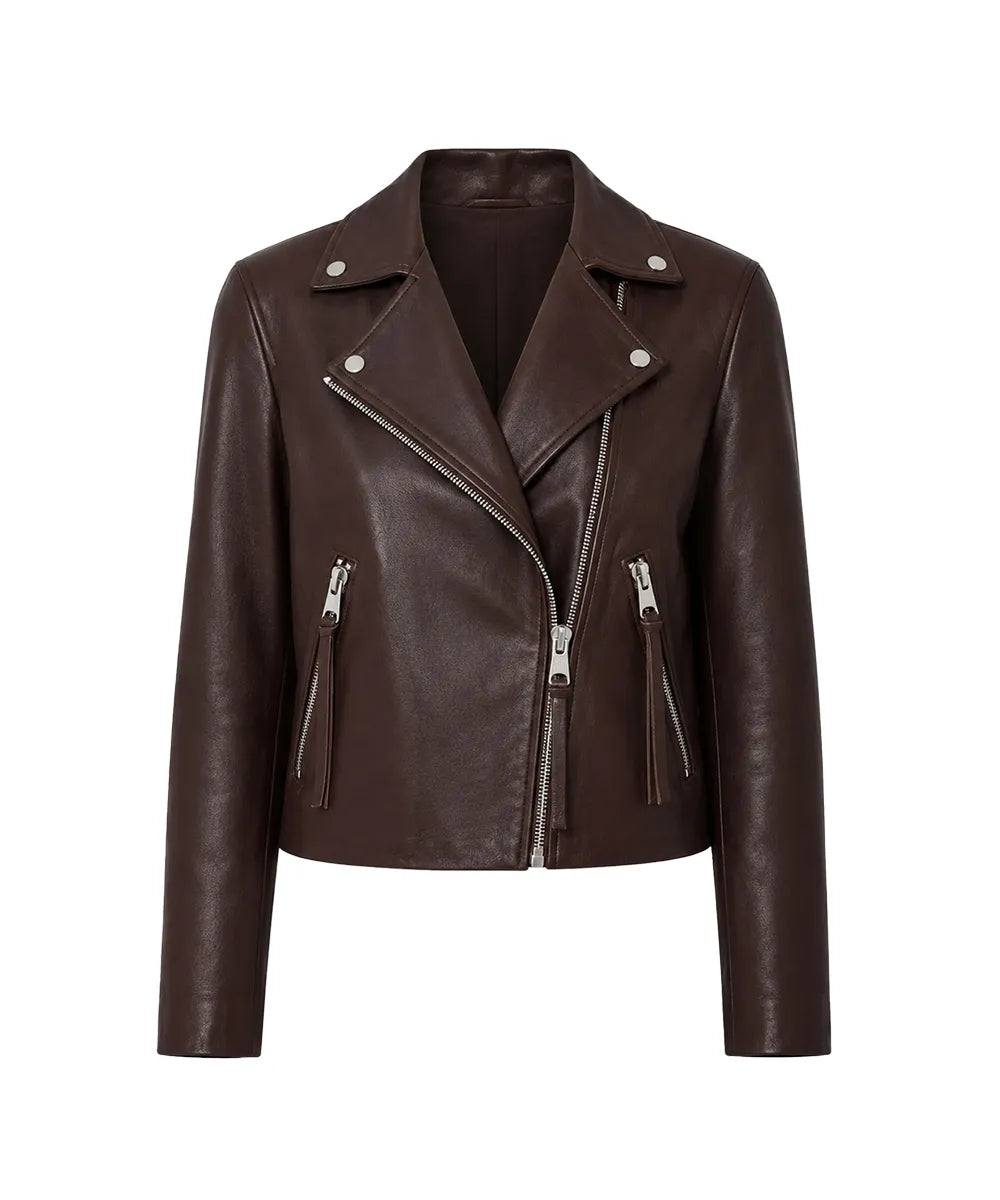
For UK buyers shopping online, knowing how to distinguish real leather from fake leather can help when comparing product descriptions, evaluating prices and deciding which material suits their needs.
Genuine leather is made from animal hide or skin, while faux leather is generally produced using synthetic materials designed to imitate the appearance of leather. Both materials can be used to create attractive jackets, but their construction, ageing characteristics, maintenance requirements and environmental considerations can differ.
This guide explains the differences between real and fake leather, practical ways to identify each material, common marketing terms and what to check before purchasing a leather jacket in the UK Levant Leather.
What Is Real Leather?
Real leather is a material made by processing animal hides or skins through tanning and other manufacturing stages.
The tanning process stabilises the material and makes it suitable for use in products such as jackets, footwear, handbags, belts and furniture.
Common leather types include cowhide, lambskin, sheepskin and goatskin. Each has different characteristics depending on the animal, hide quality, tanning method, thickness and finishing.
Real leather may retain visible grain patterns, natural markings and variations in texture. However, its appearance depends on how the surface has been treated.
Some leather has a relatively natural finish, while other varieties receive pigments, coatings or embossing to achieve a particular colour and texture.
Consequently, real leather does not always have an irregular or visibly natural appearance.
What Is Fake Leather?
Fake leather, commonly called faux leather or synthetic leather, is designed to imitate the appearance and sometimes the texture of genuine leather.
Many products use a textile backing coated with a polymer such as polyurethane (PU) or polyvinyl chloride (PVC). Other alternatives use different synthetic constructions or plant-derived materials.
The exact composition varies between manufacturers.
Faux leather is widely used in jackets, shoes, handbags, furniture and accessories because it can be manufactured in different colours, textures and finishes.
Depending on its construction, it may be lightweight, easy to wipe clean and less expensive than comparable genuine leather products.
However, synthetic leather can also crack, peel or deteriorate as its coating and backing age. Its lifespan depends on the materials, manufacturing quality, use and care.
Real Leather vs Fake Leather: Key Differences
Understanding the basic differences can make it easier to compare products.
Feature Real Leather Fake Leather
Material Processed animal hide or skin Usually a synthetic or alternative material
Surface Natural grain may be visible Often has a manufactured or embossed pattern
Texture Varies with hide and finishing Varies with coating and backing
Smell May have a characteristic leather smell May have a plastic-like or chemical smell
Ageing May develop patina, depending on finish May retain its appearance or show coating wear
Water resistance Depends on treatment and finish Depends on coating and construction
Maintenance Varies by leather type Often wipe-clean, subject to manufacturer guidance
Cost Varies widely Often less expensive, but not always
Repair Some damage can be repaired professionally Coating damage can be difficult to repair invisibly
These are general differences rather than absolute rules. Modern manufacturing techniques can make synthetic materials look remarkably similar to genuine leather.
How to Identify Real Leather
No single visual or sensory test can reliably identify every type of leather. The most useful approach is to combine product information with careful inspection.
1. Check the Product Description
The product description is one of the first things to examine when buying a leather jacket online.
Look for specific terms such as:
Genuine leather
Full-grain leather
Top-grain leather
Cowhide leather
Lambskin leather
Faux leather
PU leather
PVC leather
These terms describe different materials or leather characteristics and should not be treated as interchangeable.
For example, full-grain leather retains its natural grain surface, while PU leather usually refers to a material with a polyurethane-based coating or construction.
A product described only as “leather-look” should not automatically be assumed to contain genuine leather.
2. Examine the Surface Texture
Natural leather can show pores, grain variations, wrinkles and other markings that differ across the hide.
Synthetic leather may display a more repeated or uniform embossed pattern.
However, this is not a definitive test. Some genuine leather is heavily finished or embossed, while high-quality faux leather can reproduce natural-looking grain patterns.
Surface appearance should therefore be considered alongside the manufacturer's material declaration.
3. Look at the Reverse Side or Edges
Where the construction is visible, the reverse side and cut edges can sometimes provide useful clues.
Genuine leather may reveal a fibrous structure, while synthetic leather often has a textile backing or a layered coating.
However, finished leather can also have a lining or backing, and synthetic materials can have complicated layered structures. An edge inspection is not always conclusive.
When shopping online, ask the retailer for close-up photographs or material specifications if the product description is unclear.
4. Consider the Smell Carefully
Genuine leather can have a distinctive smell associated with its tanning and finishing. Synthetic leather may have a plastic-like or chemical odour.
Nevertheless, smell is not a reliable identification method on its own. Leather treatments, adhesives, storage conditions and synthetic formulations can all affect odour.
Avoid making a purchase decision solely on this basis.
5. Ask About the Material Composition
If you are uncertain, ask the seller to confirm what the outer material is made from.
Useful questions include:
Is the outer material genuine animal leather?
Which type of hide or skin is used?
Is the material full-grain, corrected-grain or split leather?
Does the product contain synthetic coatings or bonded materials?
What material is used for the lining?
Clear answers are more useful than broad descriptions such as “premium leather finish.”
Why You Should Avoid the Fire Test
Some online guides suggest burning a small piece of material to determine whether it is real leather.
This is not a recommended method for buyers.
Burning can damage the product, create fumes and present a fire hazard. Moreover, coatings, adhesives and mixed-material constructions can make the results difficult to interpret.
Do not use flames or heated objects to test a leather jacket.
A safer approach is to examine the product documentation, inspect the material and ask the retailer for clarification.
What Does Genuine Leather Mean?
The term “genuine leather” can cause confusion because it is often used broadly in product descriptions.
It indicates real leather, but it does not automatically establish that the material is full-grain, premium-grade or particularly durable.
Genuine leather products can differ considerably in quality, depending on the hide, processing, finishing and construction.
When comparing jackets, look for a more detailed material specification rather than relying on the phrase alone.
What Is PU Leather?
PU leather generally refers to synthetic leather made using polyurethane as part of its construction.
It commonly consists of a textile backing with a polyurethane-based surface layer designed to resemble leather.
PU leather can be manufactured in numerous colours, textures and finishes. It is often used in fashion jackets and accessories.
Its performance depends on the coating, backing material, manufacturing quality and conditions of use.
Advantages of PU Leather
Available in a wide range of colours and designs.
Can be relatively easy to clean, depending on the product.
Often costs less than comparable genuine leather.
Does not require animal hide as its main material.
Disadvantages of PU Leather
Some products can peel or crack as the coating deteriorates.
The material may not develop the same patina as natural leather.
Durability varies significantly between products.
Synthetic coatings and backing materials can complicate recycling.
PU leather may be suitable for buyers who prefer a synthetic material, but its performance should be assessed on the basis of the specific product.
What Is PVC Leather?
PVC leather uses polyvinyl chloride as part of its construction. Like PU leather, it is generally designed to imitate the appearance of genuine leather.
PVC-based materials can offer particular surface characteristics and may be used in upholstery, accessories and selected clothing products.
However, their flexibility, feel and ageing characteristics depend on the formulation and construction.
PVC leather and PU leather are both synthetic alternatives, but they are not the same material.
Buyers should check the product's stated composition rather than assuming that all faux leather has identical properties.
Real Leather vs Faux Leather: Which Lasts Longer?
Real leather can provide long service when it is made well, suited to its intended use and properly maintained. Some genuine leather products can also be repaired when damage occurs.
However, not every genuine leather product is durable, and not every synthetic leather product has a short lifespan.
The durability of a leather jacket depends on several factors:
Quality of the base material
Thickness and flexibility
Tanning or coating process
Stitching and seam construction
Quality of zips and other hardware
Exposure to sunlight, moisture and friction
Storage and maintenance
Frequency of use
For genuine leather, a suitable finish and good construction can help maintain performance over time.
For faux leather, the quality of the surface coating and its bond with the backing material are particularly important.
Rather than judging durability by material category alone, compare product specifications, construction details and the manufacturer's care instructions.
Does Real Leather Develop a Patina?
Some genuine leathers develop a patina as they age.
Patina refers to changes in colour, sheen or surface character that can occur through handling, light exposure, friction and everyday use.
The effect depends on the leather's finish. More natural or lightly finished surfaces may show visible changes, while heavily coated leather may remain more uniform.
Synthetic leather does not generally develop the same type of natural leather patina, although its colour and surface can change through wear.
A buyer who appreciates the way leather develops character over time may prefer a suitable natural leather finish.
Is Real Leather Waterproof?
No. Genuine leather is not automatically waterproof.
Its response to moisture depends on the tanning method, surface finish, protective treatments and construction.
Some leather products offer greater water resistance than others, but prolonged exposure to rain or soaking can cause problems such as staining, stiffness, colour changes or damage to the finish.
Synthetic leather can resist surface water because of its coating, but this does not necessarily make the entire garment waterproof. Seams, zips and other construction details can still allow moisture to enter.
For UK weather, check the manufacturer's recommendations before wearing any leather or faux leather jacket in heavy rain.
Which Is Better for the UK Climate?
The best choice depends on how the jacket will be used.
Genuine Leather for Everyday Wear
A well-constructed genuine leather jacket can be suitable for regular use, provided its weight, fit and finish match your needs.
Buyers should understand that genuine leather requires appropriate care and may need protection from prolonged moisture exposure.
Faux Leather for Fashion and Occasional Use
Faux leather can be a practical choice for buyers looking for particular colours, designs or a lower initial purchase price.
It may be suitable for occasional wear, although durability varies between products.
Consider the Complete Jacket
The material alone does not determine whether a jacket is appropriate for British weather.
Also consider:
Lining and insulation
Fit and layering space
Resistance to moisture
Wind protection
Construction quality
Cleaning and maintenance requirements
A jacket's suitability for cold or wet weather depends on the complete garment rather than simply whether it uses genuine or synthetic leather.
Is Real Leather More Sustainable Than Fake Leather?
There is no universal answer that applies to every product.
Genuine leather and synthetic leather have different raw materials, manufacturing processes, durability characteristics and end-of-life challenges.
Environmental considerations can include raw material sourcing, chemical management, water consumption, energy use, emissions, waste, transport and the length of time a product remains useful.
The origin of the animal hide, the tanning process and the management of manufacturing waste can all influence the environmental performance of genuine leather.
Synthetic alternatives can avoid the use of animal hide as their main material, but their environmental effects depend on the polymers, additives, manufacturing process and disposal route.
A product's lifespan and opportunities for repair are also relevant.
What About LWG-Certified Leather?
The Leather Working Group (LWG) develops standards and audit programmes for leather manufacturing and supply-chain practices.
Where a business sources leather from an LWG-certified tannery, the claim relates to the relevant facility and applicable certification framework.
It does not automatically prove that a finished jacket is sustainable, nor does it establish whether the jacket uses full-grain leather or another leather grade.
For UK buyers, it is useful to evaluate material composition, sourcing information, relevant certifications and product construction separately.
How to Choose a Good-Quality Leather Jacket
Once you understand the difference between real and fake leather, consider the complete product before making a purchase.
Check the Outer Material
Confirm whether the jacket uses genuine leather, PU leather, PVC leather or a combination of materials.
If it is genuine leather, check whether the retailer identifies the animal hide or leather grade.
Inspect the Stitching
Look for consistent stitching and well-finished seams.
Loose threads, uneven stitching or poorly finished joins can indicate construction issues, although appearance alone cannot establish the jacket's overall quality.
Examine the Hardware
Check the quality and operation of zips, snaps, buckles and other fastenings.
Hardware should function smoothly and suit the design of the garment.
Review the Lining
The lining affects comfort, movement and the overall feel of the jacket.
Look at the material description and construction details, particularly if you plan to wear the jacket frequently.
Compare the Fit
Check the chest, shoulders, sleeves and body length against the retailer's size chart.
A suitable fit is important for comfort and appearance regardless of the material.
Read the Care Instructions
Make sure you understand how the jacket should be cleaned, dried and stored.
Different leather finishes and synthetic materials may require different treatments.
How Levant Leather UK Helps Customers Explore Leather Jackets
For customers researching Levant Leather UK, understanding material descriptions is an important step when comparing leather jackets.
The brand offers men's and women's leather jackets across styles including biker jackets, bombers, café racers, vintage-inspired designs and sheepskin outerwear.
Customers should check the product specifications for their chosen jacket to confirm the material, available sizes, design details and care requirements.
Those interested in a more personalised garment can also explore custom leather jacket options, subject to the available service and product specifications.
Before purchasing, consider three important questions:
What material is the jacket made from?
Does its construction and fit suit my intended use?
Are the product description, sourcing information and care instructions clear?
Taking the time to answer these questions can help customers compare products more confidently and select a jacket that meets their expectations.
Frequently Asked Questions
How can I tell if a leather jacket is real or fake?
Start by checking the product description and material composition. Natural grain variations and the reverse side may provide clues, but no single visual or sensory test is conclusive for every material.
Is genuine leather the same as full-grain leather?
No. Genuine leather is a broad description of real leather, while full-grain leather specifically retains its natural grain surface without sanding or buffing away that surface to remove imperfections.
Is PU leather real leather?
PU leather generally refers to synthetic leather made using polyurethane as part of its construction. It should not be confused with genuine animal leather.
Is faux leather always cheaper?
Faux leather is often less expensive than comparable genuine leather products, but prices vary according to design, manufacturing quality, brand and materials.
Does real leather smell different from fake leather?
It can, but smell is not a reliable identification method. Finishes, adhesives, storage and manufacturing processes can influence odour.
Can fake leather peel?
Yes. Some synthetic leather products can peel or crack as the coating deteriorates. The likelihood depends on the material quality, construction, use and care.
Does genuine leather last longer than PU leather?
Some genuine leather products can last for many years, but the result depends on material quality, construction and maintenance. Synthetic leather performance also varies significantly.
Is faux leather easier to maintain?
Some faux leather products can be wiped clean easily, but care requirements depend on the material. Always follow the manufacturer's instructions and avoid unsuitable cleaning products.
Is real leather better for the environment?
Not automatically. Environmental performance depends on sourcing, manufacturing, chemicals, energy, water, durability and end-of-life management.
Can I wear a leather jacket in the rain?
That depends on the material, finish and garment construction. Check the manufacturer's water-resistance and care guidance, and avoid assuming that either genuine or synthetic leather is fully waterproof.
What should I look for when buying leather online in the UK?
Check the exact material composition, product measurements, construction details, care instructions, delivery terms and returns policy. Ask the retailer for clarification if any material claim is unclear.
Real vs Fake Leather Buying Checklist
Before purchasing a jacket, check the following:
Exact material composition
Leather type or synthetic material specification
Surface finish and construction
Stitching and seam quality
Zips, lining and hardware
Chest and shoulder measurements
Care and cleaning instructions
Water-resistance guidance
Product sourcing information
Relevant certification claims
Delivery and returns policy
A clear product description makes it easier to compare jackets and understand what you are paying for.
Final Thoughts
Real leather and fake leather can both be used to create attractive jackets, but they differ in material composition, surface characteristics, ageing and maintenance requirements.
Genuine leather is made from processed animal hide or skin and may develop a distinctive patina depending on its finish. Faux leather is generally produced using synthetic or alternative materials and can offer a wide range of colours and textures.
Neither material should be judged by appearance or price alone. Product quality depends on the materials, manufacturing process, construction and intended use.
For UK buyers, the most reliable approach is to check the exact material description, review the jacket's specifications and understand its care requirements before purchasing.
By comparing the complete product rather than relying on marketing terms, customers can make more informed choices and select a jacket that offers the right balance of style, comfort, durability and value.
122.129.65.59
dajimoD
ผู้เยี่ยมชม
superdia11001@gmail.com